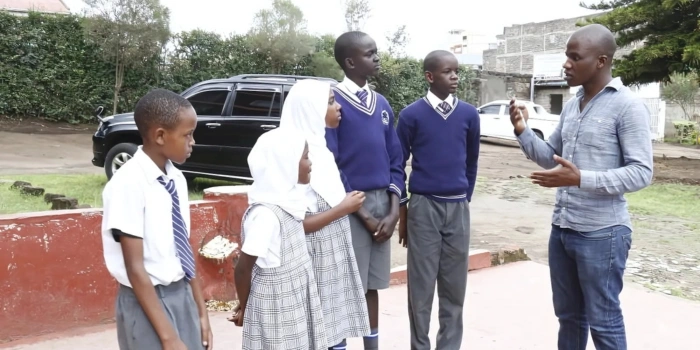
HOPE FOR THE PLANET INITIATIVE (HOPI)

Hope for the Planet Initiative (HOPI) is the social justice, child empowerment, and environmental stewardship arm initially incubated under BBA Advocates. It is a transformative movement dedicated to raising a generation of children who understand their rights, embrace their responsibilities, and actively contribute to building just, sustainable communities.

HOPI operates on the core principle:

“Where there is a right, there is a duty.”

Through innovative frameworks like the Children Teachers model and the Universal Rights & Duties Curriculum, HOPI equips children to become peer educators, community leaders, and environmental stewards. The organization integrates child rights education, family-centered interventions, community development, and environmental conservation into a holistic approach to social transformation.

Guided by the mantra “Children. Rights. Duties. Trees.”, HOPI works at the intersection of child rights advocacy, climate justice, and community-led environmental restoration. We mobilize legal tools, education, and grassroots action to protect vulnerable children, promote duty-bearer accountability, and restore ecosystems.

Our Core Areas of Work:

  • Child Rights & Protection: Legal awareness, strategic litigation, and policy advocacy to defend and advance the rights of children.
  • Duties Awareness: Empowering families, schools, and state institutions to fulfill their duties to children and nature.
  • Trees for Justice: Spearheading tree-planting campaigns in schools and communities, linking reforestation with children’s rights and environmental education.

Our Impact Vision:

HOPI envisions a world where every child lives in dignity, every duty-bearer is accountable, and every tree planted becomes a symbol of justice.

Founder, Hope for the Planet Initiative

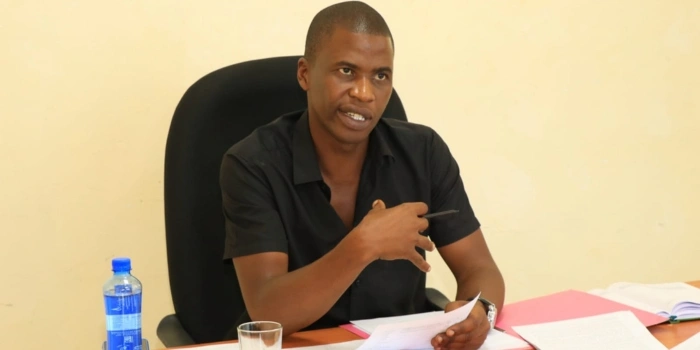
Brian Awuonda is the founder behind HOPI (Hope for the Planet Initiative), a child-centered civic and environmental empowerment platform designed to translate rights into lived responsibility.

HOPI’s mission is to empower children as responsible citizens by transforming the language of rights into actionable duties, fostering environmental stewardship, and cultivating resilient communities from the ground up. Its vision is a world where every child understands their rights, lives out their responsibilities, and actively contributes to sustainable communities and a thriving planet.

Guided by the core values of empowerment (recognizing children as leaders and peer educators), responsibility (balancing rights with duties), justice (ensuring protection and equity for every child), sustainability (embedding environmental care within community growth), integrity (maintaining transparent, accountable, and evidence-based programming), and innovation (advancing creative, participatory, and child-centered solutions), HOPI operates through clear strategic objectives. 

These include child empowerment through equipping young people with knowledge of rights and duties and developing peer-led systems under the Children Teachers model; community transformation by supporting family and community-based interventions that embed civic responsibility; environmental stewardship by integrating tree planting, conservation, and ecological awareness into child rehabilitation and development programs; curriculum development through expansion and implementation of the Universal Rights & Duties Curriculum across schools and communities; and institutional development aimed at establishing HOPI as an independent, sustainable organization with robust governance, funding mechanisms, and operational structures.

Brian Awuonda

Naom Moraa

Chief Operations Officer (COO), Hope for the Planet Initiative

Naom Moraa Nyariki is a passionate child rights advocate, program leader, and social innovator dedicated to empowering children and transforming communities. She serves as the Chief Operations Officer at HOPI.

Naom is the architect of the Universal Rights and Duties of the Child Curriculum, a first-of-its-kind framework that translates all 42 rights under the United Nations Convention on the Rights of the Child (CRC) into practical, actionable duties. For every right, she developed three corresponding duties, nurturing a culture of responsibility alongside rights.

Her visionary work birthed the “Children Teachers” model, a transformative approach where children themselves become peer educators of rights and duties. This movement empowers children to lead from within, equipping them to be responsible citizens, family members, and community change agents. The model has not only been adopted in local schools and communities but is also inspiring global conversations on child empowerment and rights-based education.

With a Bachelor’s Degree in Procurement and Supply Chain Management, Naom brings technical expertise in strategic management, accountability, and systems strengthening. She has successfully overseen multi-stakeholder projects, partnerships, and safeguarding frameworks, embedding transparency and child protection at every stage.

Naom’s career is defined by her commitment to innovation, accountability, and social transformation. She continues to champion HOPI’s mission of raising a generation of children who understand their rights, embrace their duties, and lead the way in building stronger, more sustainable communities across Kenya and beyond.


Hope for the PIanet Initiative News & Articles

  • All Posts
  • Brian Law School
  • Client Mother Earth
  • General
  • Green Law Africa
  • House of Plenty
  • Legal Department
  • Letters to the Next President
  • Make Kenya Green

BBA Advocates

We are committed to provide Quality and cost effective services to our clients. 

Follow Us.

Contact Detail

Quick Links

You have been successfully Subscribed! Ops! Something went wrong, please try again.

© 2026 BBA Advocates Created by Tannbit [0723641301]

GLGI Moot

Court 2026

Day
Hr
Min
Sec

The Green Law Global Initiative International Moot Court Competition 2026 is a premier academic and advocacy platform bringing together law students, scholars, and practitioners to interrogate some of the most pressing environmental and climate justice questions of our time.

Access Moot Court